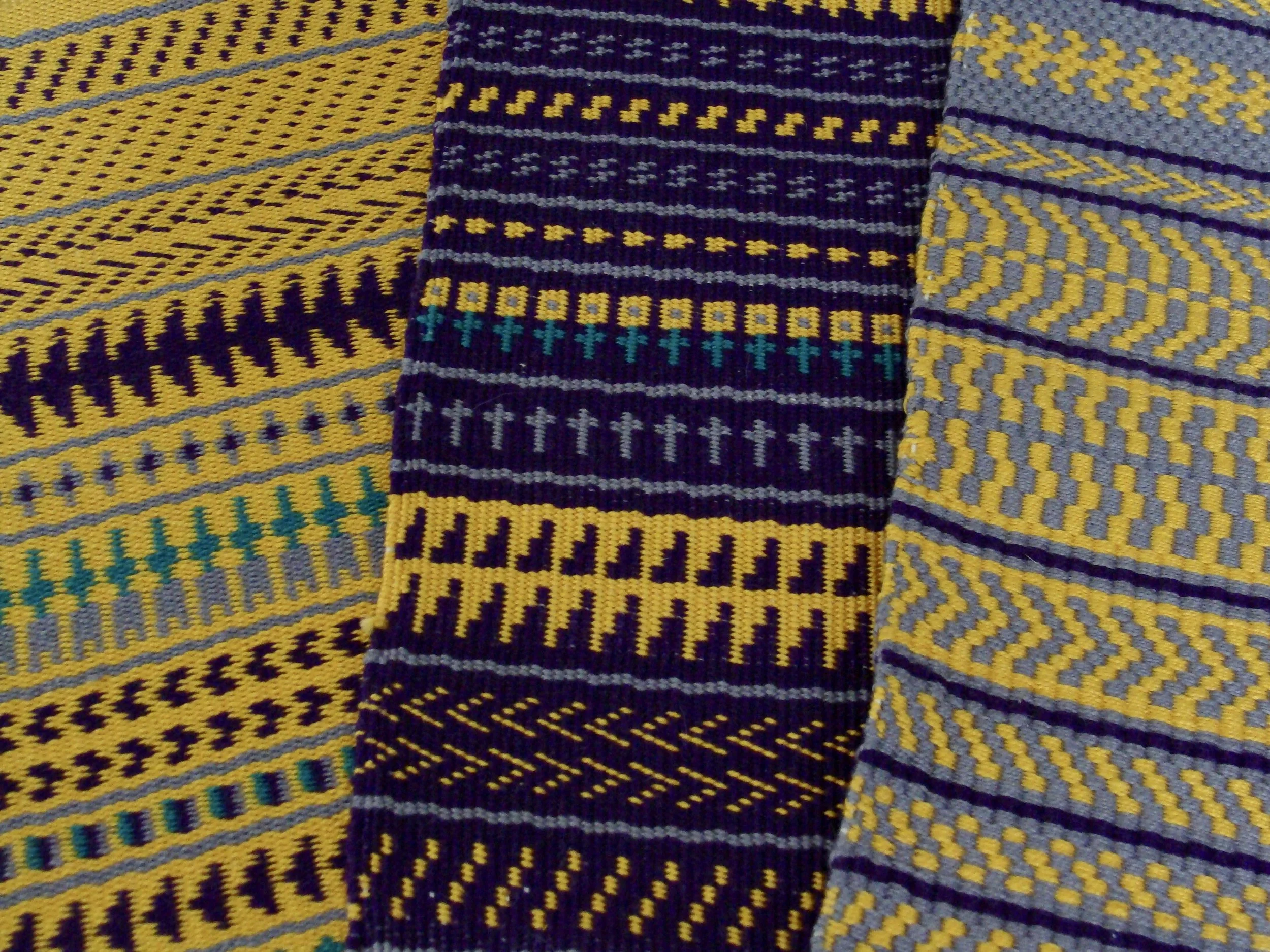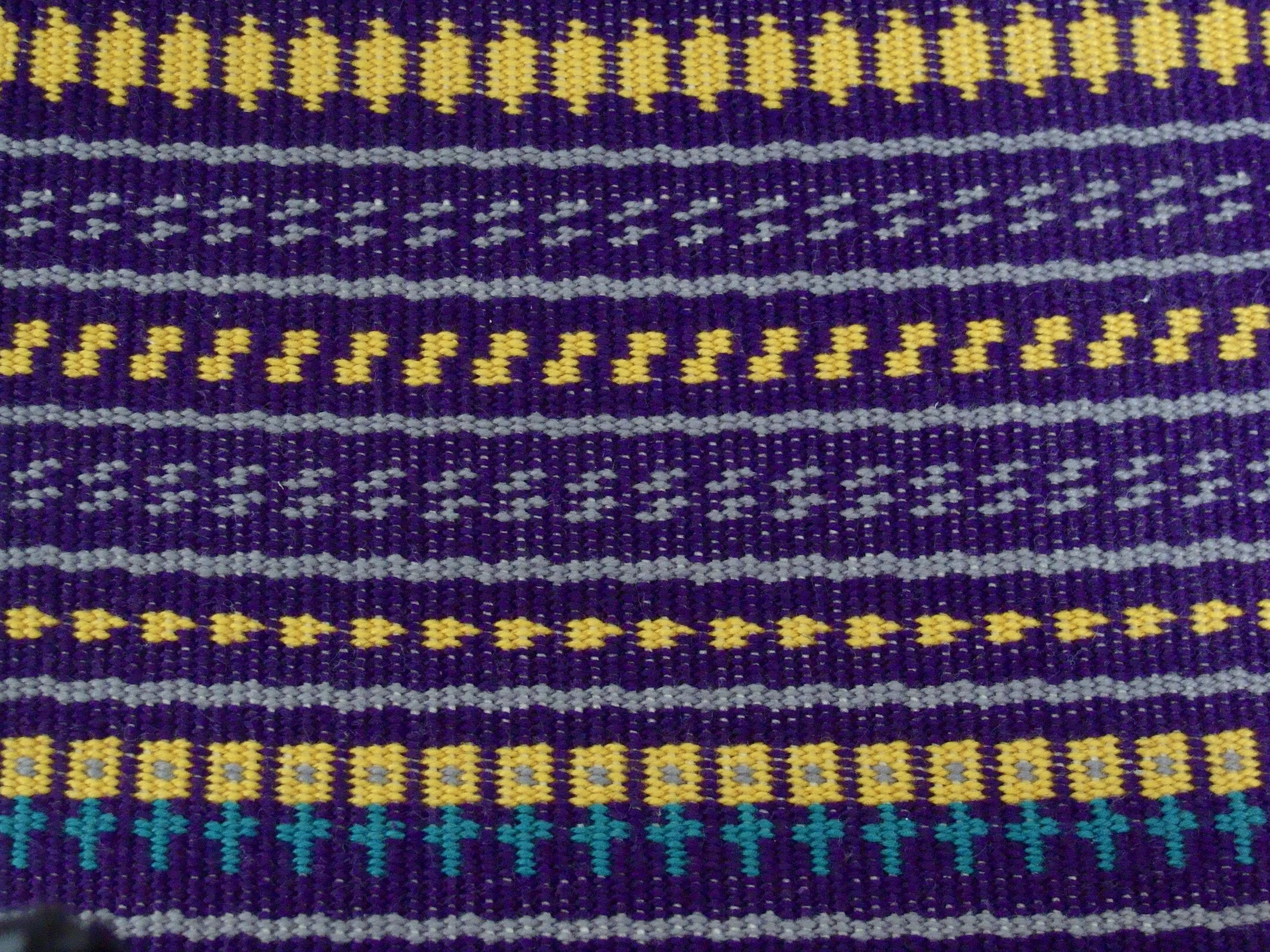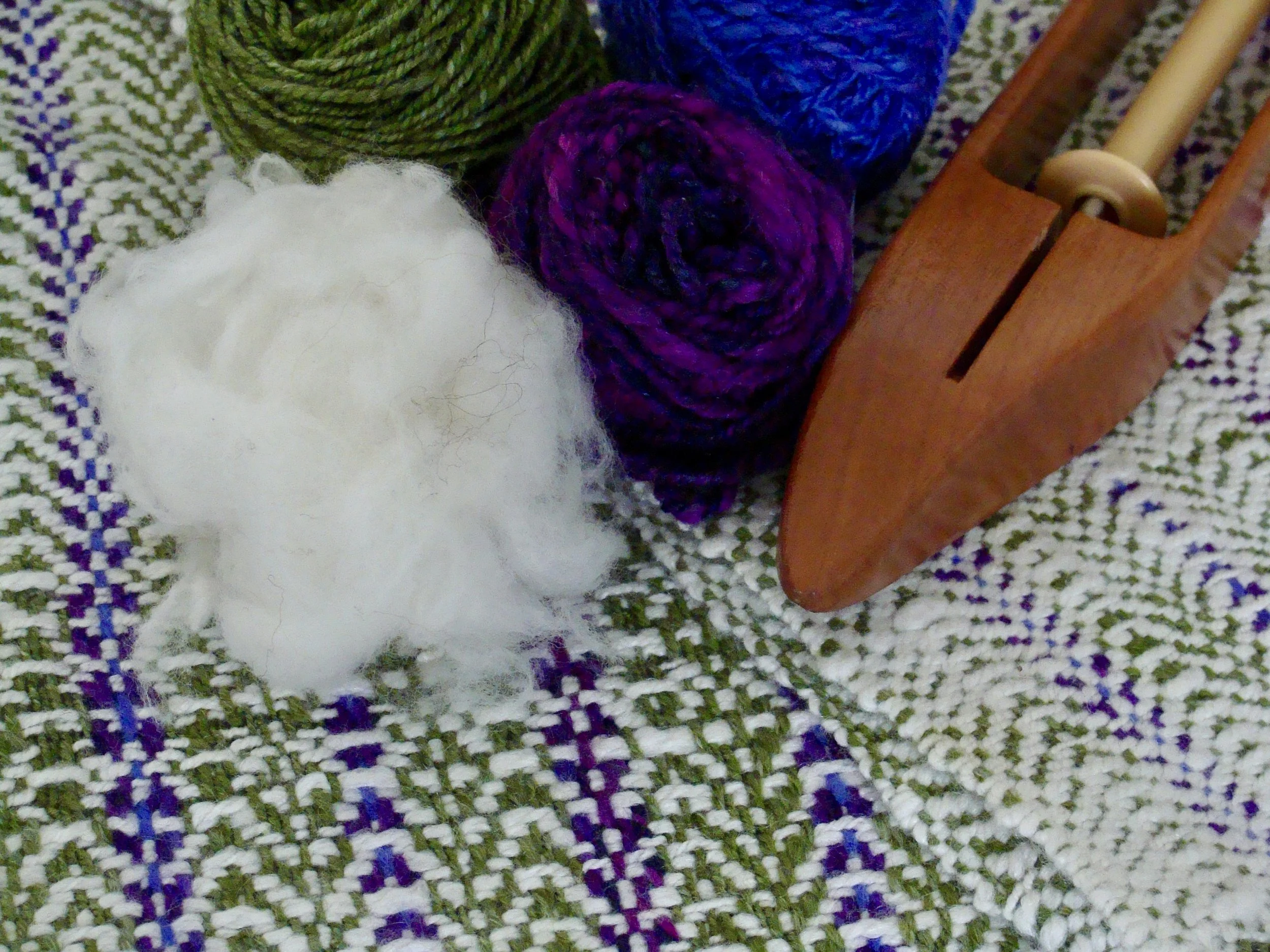
Although the postings here have been a bit quiet, I’m busy behind the scenes working on ‘Krokbragd: How to Design & Weave’. Many of you have inquired about the progress of the book, so I thought I’d give an update and share some sneak peeks.


Welcome to my blog. I document my adventures in travel, style, and food. Hope you have a nice stay!
All in Weaving
Although the postings here have been a bit quiet, I’m busy behind the scenes working on ‘Krokbragd: How to Design & Weave’. Many of you have inquired about the progress of the book, so I thought I’d give an update and share some sneak peeks.
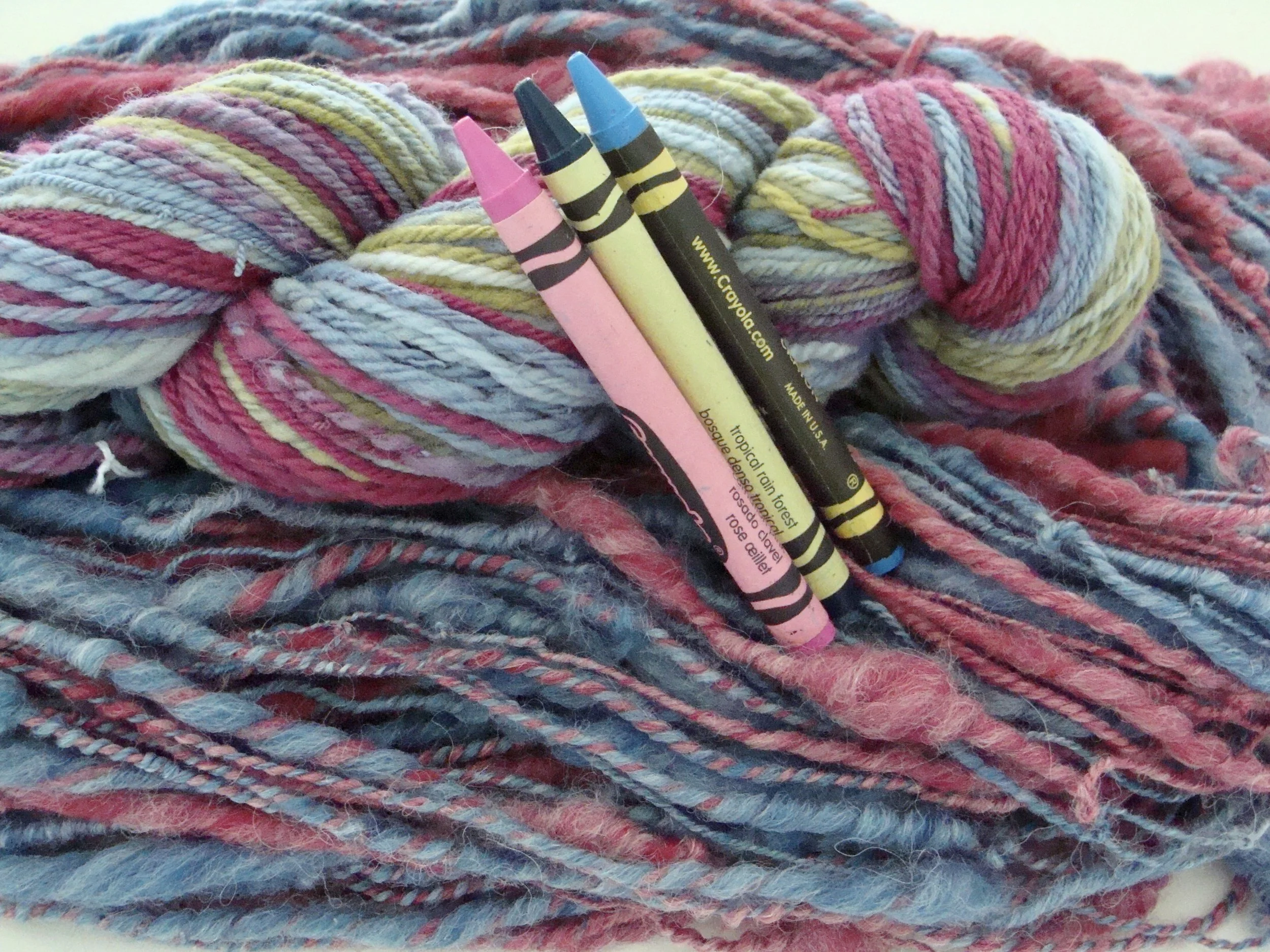
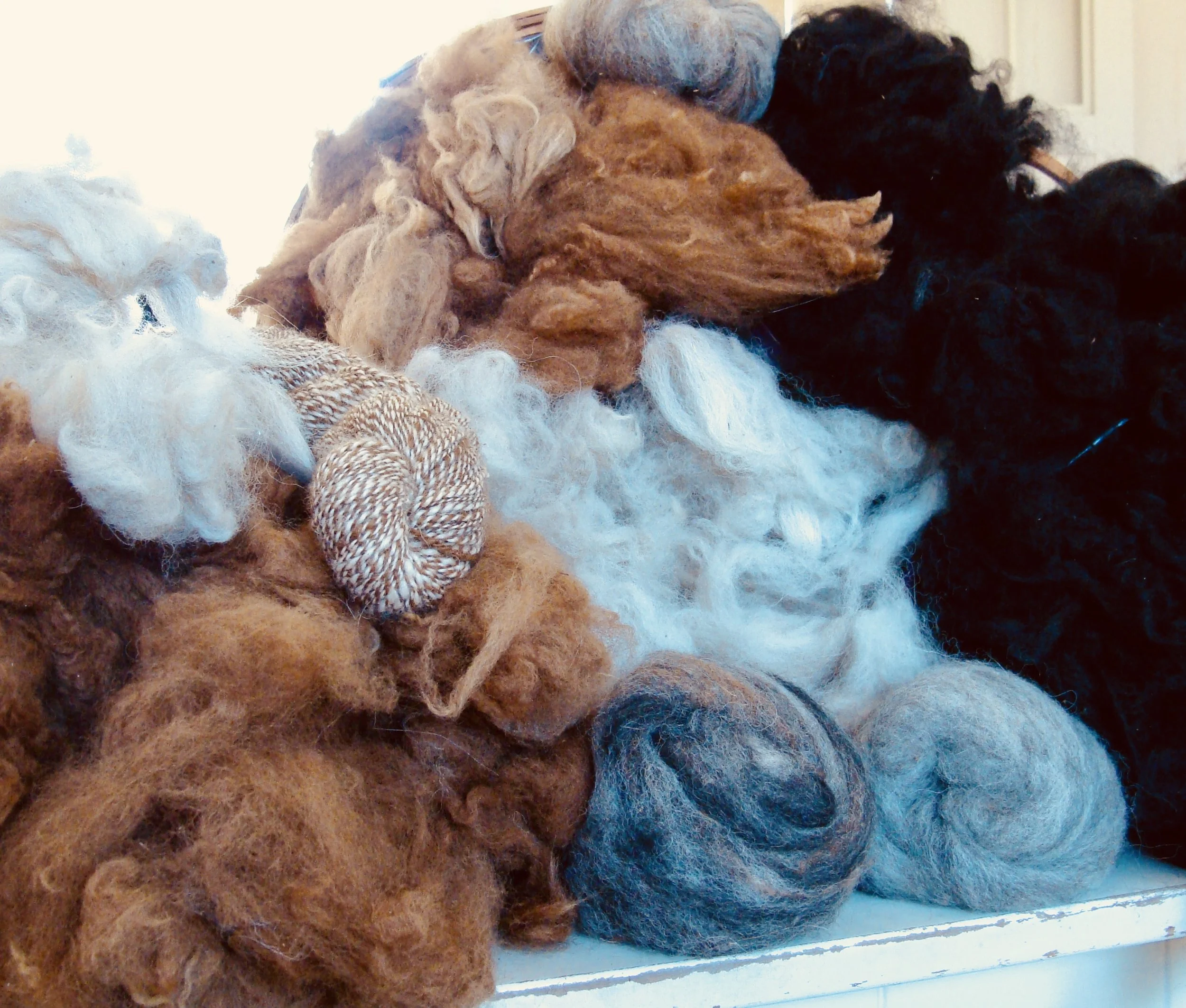
In June's post 'ABC-Alpaca, Blending, & Color', I prepped and spun a fun, textured, alpaca/merino blend yarn. At the time, I couldn't show you the finished project because it was for a Guild challenge that wasn't yet completed. Well, the Guild members have now met and revealed their projects, so I can share what I created.
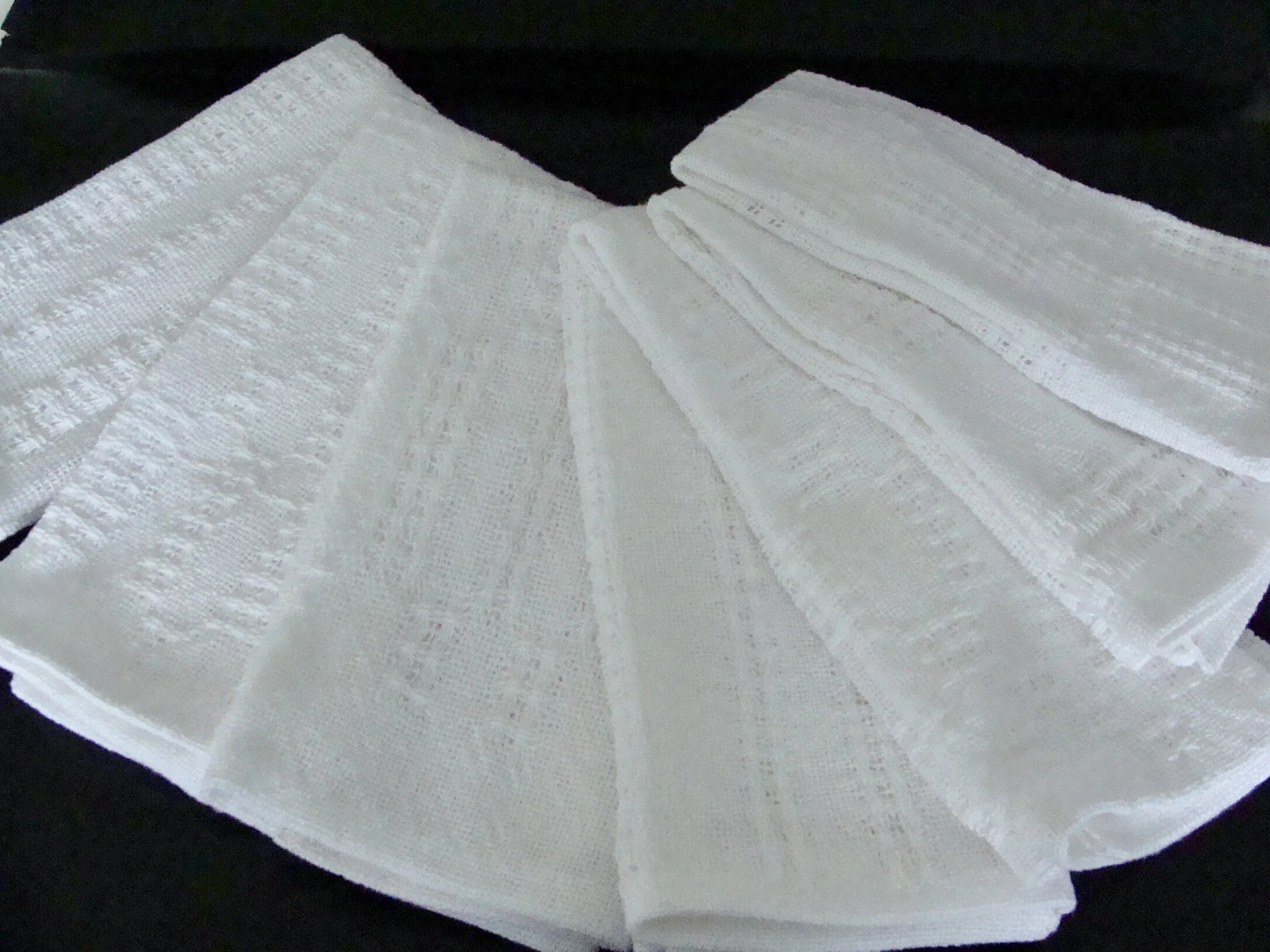
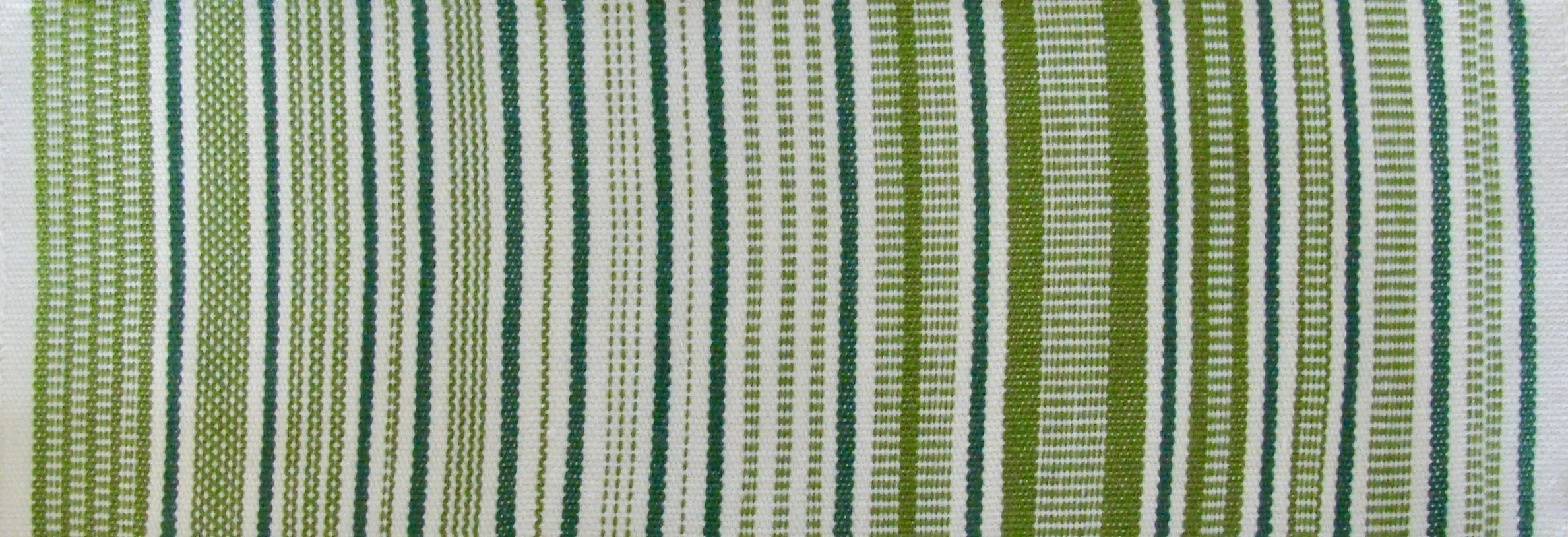
Recently I was commissioned to weave guest towels for several customers. For readers who are non-weavers, I thought it might be interesting to illustrate what goes into the making of a 12" x 17" guest towel. It's more than just throwing the shuttle back and forth!
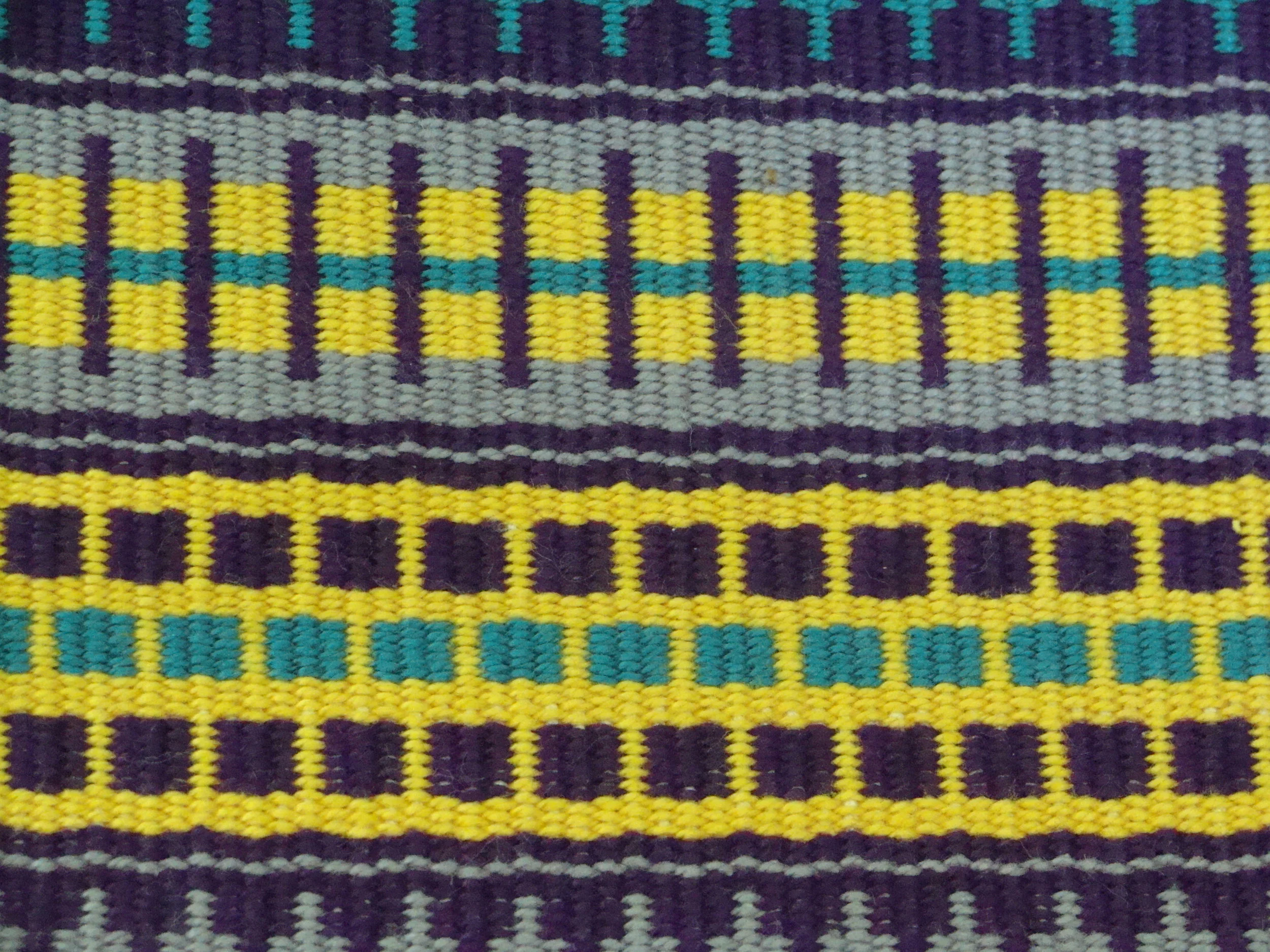
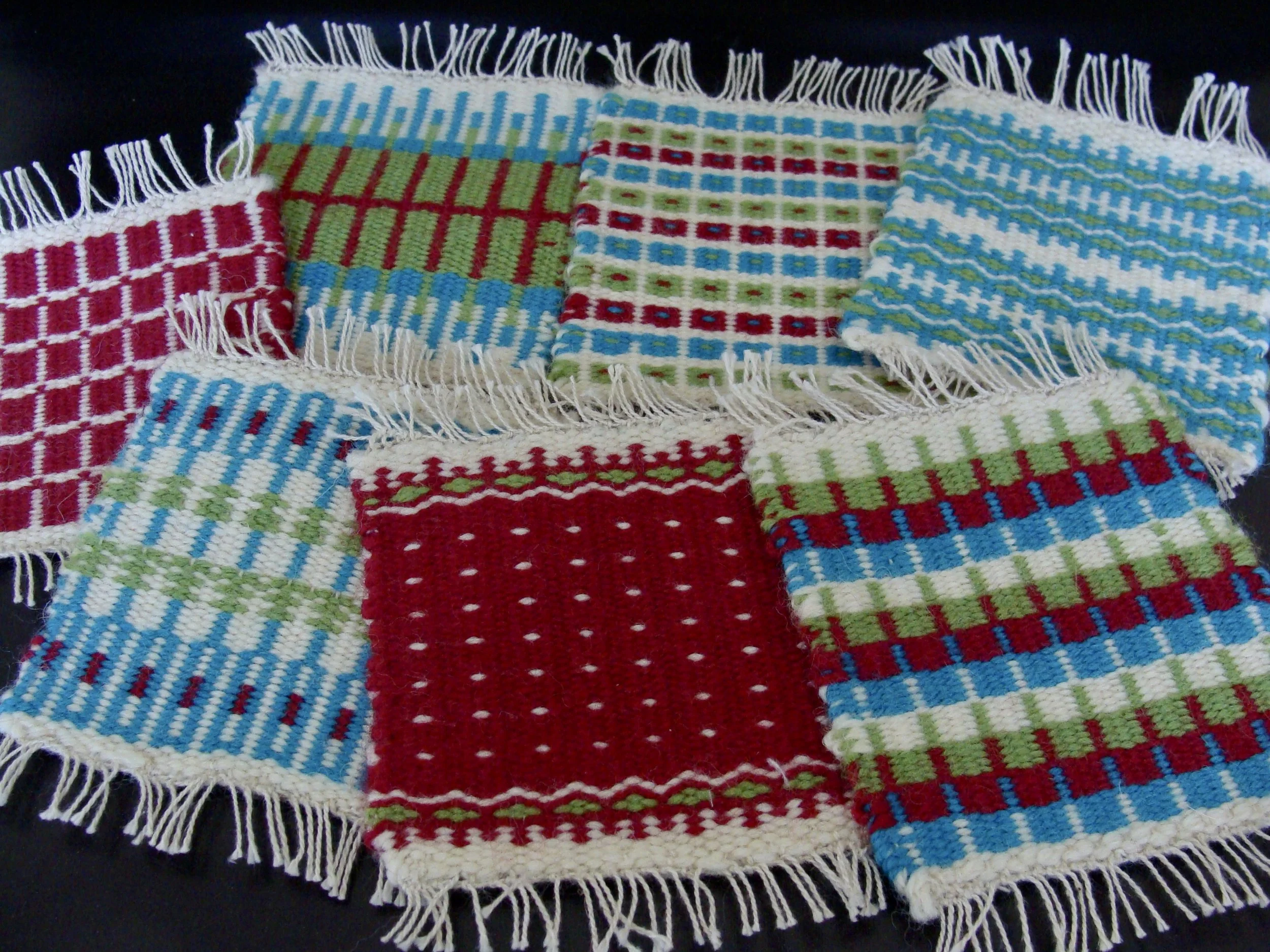
Today's Krokbragd sampler is the fifth in my study of Weft Faced Pattern Weaves using Nancy Hoskins book 'Tabby to Taqueté'.
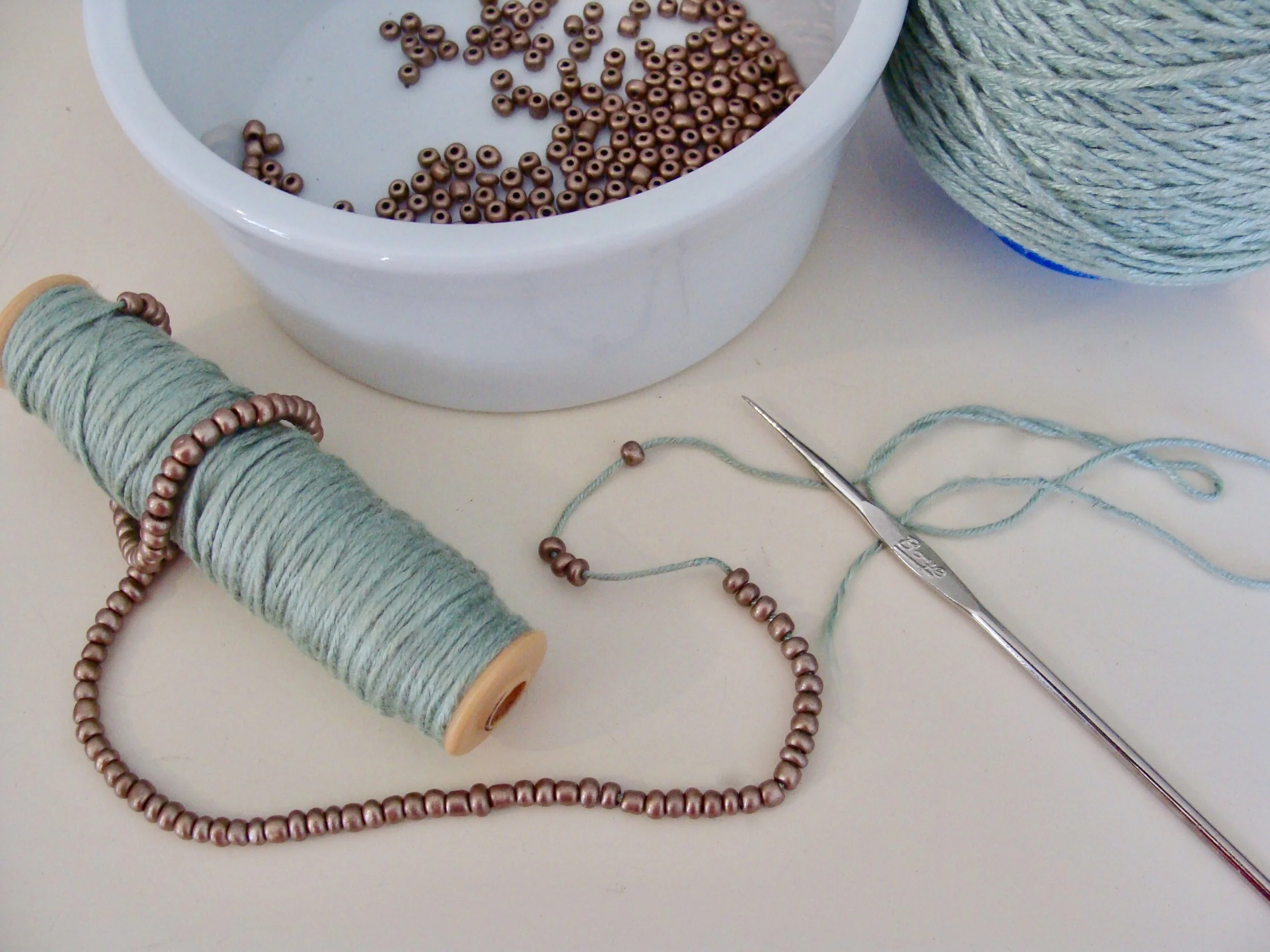
I'm excited to bring you a video tutorial on a fancy fringe technique that includes braiding, interlacements, and beading. I've worked the technique on a handwoven scarf, but it is not limited to only handwoven items. This method could be used on any fringed item, whether handmade or purchased.
Today's post goes into some of the details and insight I've gathered while weaving Samplers II, III, and IV from the book Weft-Faced Pattern Weaves-Tabby to Taqueté by Nancy Hoskins. This is a more technical post; still I hope everyone will find something interesting, or at the very least, you will enjoy the photos.
As fiber artists and crafters, how many times have we heard the admonition "before you start your project . . . weave a sample or knit a swatch or spin a control or test dye a new color"? I know that the vast majority of you are saying, "I never sample". Am I right?
The hope of my post is to bring a more positive light on this subject by sharing thoughts and ideas beyond the usual approaches to sampling and swatching.
In my 2018 post, I wrote that I was starting a study of weft-faced pattern weaves following the book 'Tabby to Taqueté' by Nancy Hoskins. This book is a series of 53 lessons with a technique sampler accompanying each lesson. Sampler I is completed and I will share that later in the post.
But first, what is weft-faced weaving?
Earlier this month, in my first post of 2018, I shared my thoughts and plans for the coming year at Flora & Fiber. I've put the proverbial pencil to paper to bring those plans to life.
And that brings me to 'Alpaca - The Mini Series'.
While searching older Handwoven magazines for a project that would "stretch" my weaving skills, I came across a Beyond the Basics column.
This draft seemed like the perfect challenge, combining weaving with my love of flowers.
In previous posts, I've extolled my love of Scandinavian woven textiles; their simplicity of design, their colors, the variety of pattern motifs, and just the pleasure I find in weaving them.
Today is another Scandanavian technique, this time from Norway, called Krokbragd.
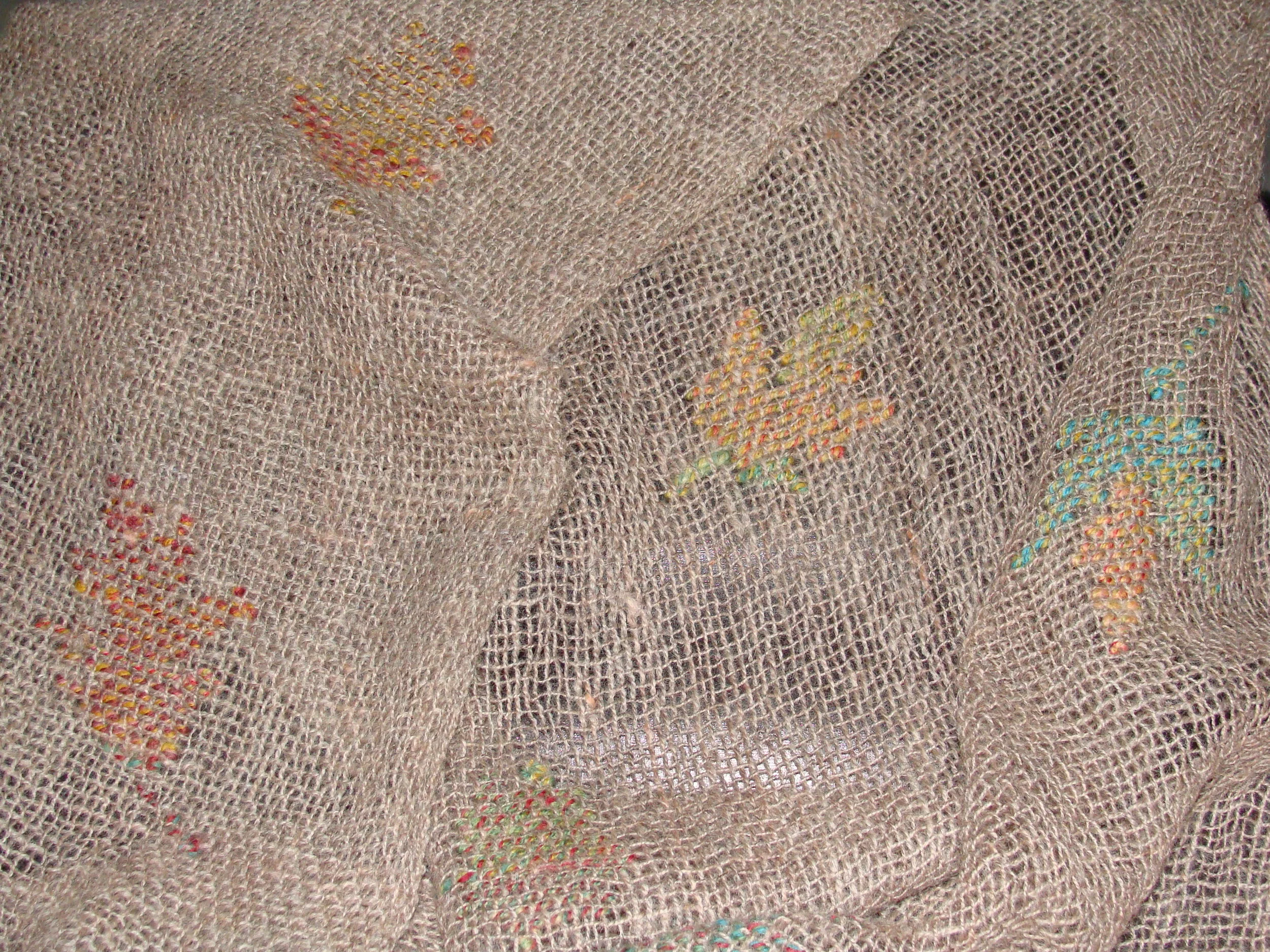
Remember the post about my Spinning Competition at the Farm? I ended that post with a strategy to win . . . something my competitor couldn't match . . . adding color. I planned to weave an autumn shawl with handspun yarns and inlaid multi-colored leaves.
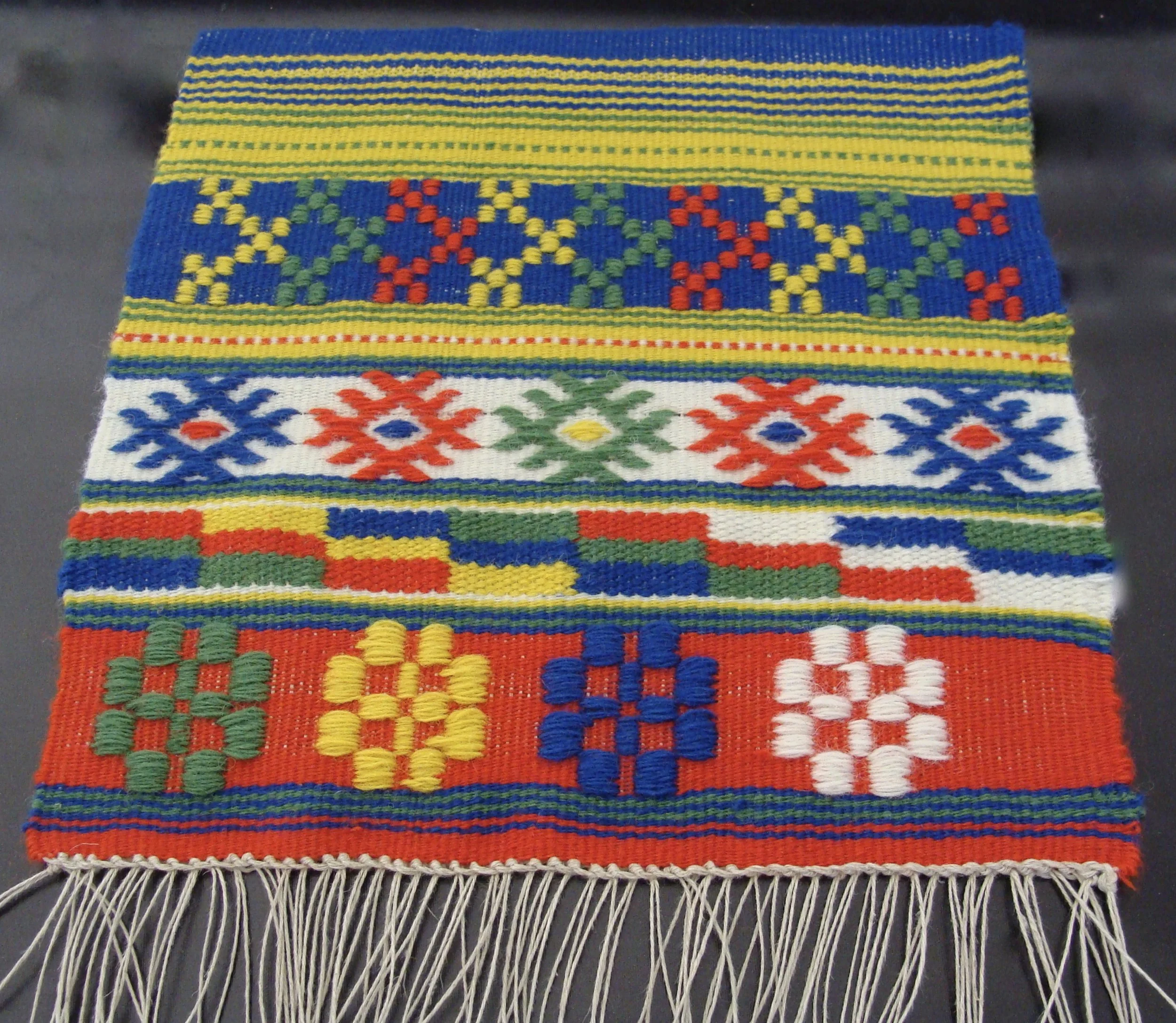
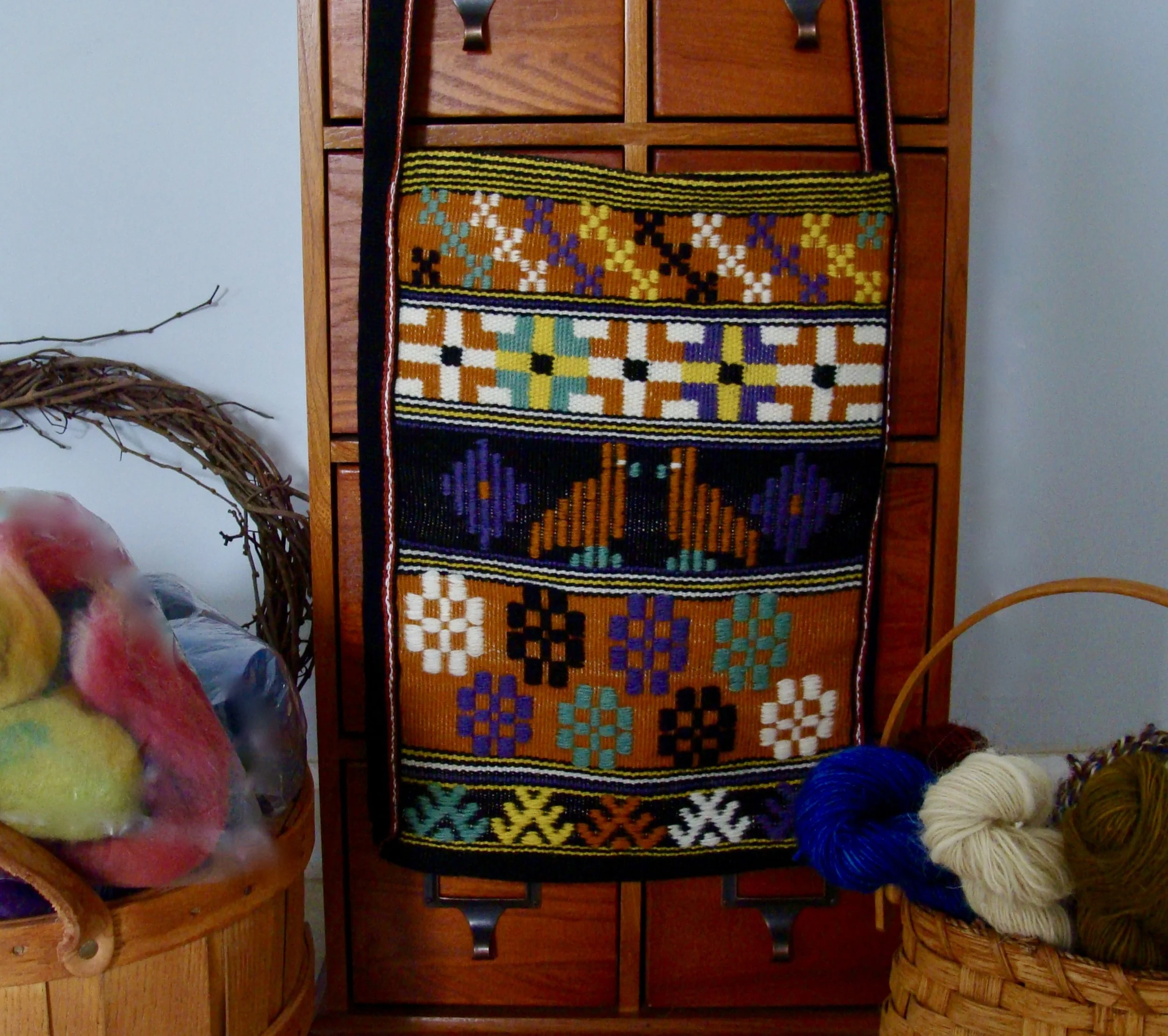
This is Part 2 of Swedish Art Weave. In Part 1, I shared the tote bag I made with a sampler of the various techniques. Today's post provides a closer look at each of those techniques.
In my July post about Telemarksteppe (another Scandinavian weave), I wrote that I would be attending the MAFA (Mid Atlantic Fiber Association) conference and taking a 4 day workshop on Swedish Art Weaves with Joanne Hall.
I will be sharing what I learned in a two-part series. In today's post, I'll start with a finished project.
In today's post, I thought I would share my process from beginning with unspun fiber through the production of a finished woven project . . . in other words, Fluff to Stuff.
Oftentimes, I find a new project is stalled by the process of color decisions. I'm sure you can relate, whether your creative medium is weaving or knitting or pottery or scrapbooking or home decorating or [insert your own]. There are so many color choices, where to start?